Telegram:@smsxcg
WhatsApp:+1(305)6290111
Address:1600 Pennsylvania Ave NW,Washington,DC20500,USA


By Teti Igoumenidi

Fiber-to-the-home (FTTH) network coverage in Greece has reached 65% of the territory, while service penetration stands at 23%.
According to telecommunications market data compiled by Naftemporiki, commercially available FTTH connections totaled 3.1 million at the end of 2025, out of 4.8 million fixed-line connections nationwide. These networks are operated by OTE, Vodafone, and Nova, with OTE maintaining the largest footprint, having deployed approximately 2.1 million lines. In certain areas, network overbuild is observed due to PPC’s entry into FTTH infrastructure, as well as the activity of Inalan and HCN (the latter primarily in cities in Northern Greece). Connections in this category are estimated at around 950,000.
In terms of usage, approximately 1.1 million households and businesses had an active FTTH connection by the end of 2025. This corresponds to 35% of total coverage and 23% of the overall fixed-line market, highlighting the gap that still exists between availability and adoption.
Subsidy
Recent data indicate an improvement. At the end of the first half of 2025, coverage stood at 56% and penetration at 17%. Within six months, coverage increased by 9 percentage points and penetration by 6 percentage points. However, this growth is largely attributed to the demand subsidy program implemented by the Ministry of Digital Governance. Funded through the Recovery and Resilience Facility, the program has acted as a key driver in encouraging users to migrate to fiber connections. According to sources, the ministry is currently seeking new funding sources to continue the scheme, as demand stimulation remains critical for further penetration growth.
At the same time, despite the improved figures, full nationwide coverage has yet to be achieved. Network expansion is increasingly moving into less commercially attractive areas, where deployment costs are higher and returns are lower. Moreover, delays and challenges persist even in urban centers, mainly due to administrative procedures and project coordination issues.
New regulatory framework
Against this backdrop, a new regulatory framework is being advanced to accelerate the deployment of very high-capacity networks.
The draft law of the Ministry of Digital Governance, recently presented to the Cabinet by Minister Dimitris Papastergiou, incorporates EU Regulation 2024/1309 and seeks to address key barriers, including high deployment costs, infrastructure fragmentation, and complex permitting procedures.
A central provision is the promotion of the shared use of existing physical infrastructure—such as ducts, energy, water, and transport networks. The aim is to avoid new excavation works wherever technically feasible and instead leverage existing infrastructure, thereby reducing both costs and implementation timelines.
In parallel, the framework strengthens coordination of technical works, allowing multiple entities to carry out projects simultaneously. This is intended to limit repeated interventions at the same location, which increase costs and disrupt urban operations.
Particular emphasis is also placed on access to in-building infrastructure, facilitating the installation of networks within buildings without additional technical interventions, as well as ensuring access to information on available infrastructure and planned works.
A key role in the new model will be played by the Single Information Point (SIP), a digital platform through which information on existing and planned infrastructure, permitting procedures, and rights of way will be centralized and made accessible.
This platform builds on and expands the existing system, which currently supports the digital management of permits for telecommunications projects. Under the new framework, the system will be integrated into and functionally expanded within the SIP to cover all technical works capable of hosting electronic communications networks, regardless of sector.
The system will be enriched with additional data, including inventories of available infrastructure, information on planned works, exemption lists, regulatory decisions, and dispute resolution mechanisms.
Streamlining and oversight
A key component of the draft law is the simplification of administrative procedures. It introduces standardized processes for permitting and granting rights of way, with clear deadlines and full digitization of application management, aiming to reduce administrative burden and delays.
The framework also includes provisions to strengthen oversight and compliance, with designated authorities, dispute resolution mechanisms, enforcement measures, and enabling provisions for secondary legislation to further specify implementation details. In certain cases, exemptions may be granted for reasons such as national security.
However, the rollout of the new system is expected to face transitional challenges, particularly regarding the collection and digitization of data on existing infrastructure, its integration into a unified environment, and the adaptation of stakeholders to new coordination and collaboration processes.
The timely issuance of the necessary secondary legislation is also considered critical to ensure the framework is implemented effectively and supports the rollout of capital-intensive network investments by providers.
The draft law is currently at an advanced stage of processing and has undergone consultation with multiple ministries - including Culture, Health, Maritime Affairs, Justice, Infrastructure and Transport, Interior, Citizen Protection, National Defence, Finance, and Education - as well as with the Hellenic Telecommunications and Post Commission (EETT). Key feedback has focused on issues of competencies, exemptions, and data availability.



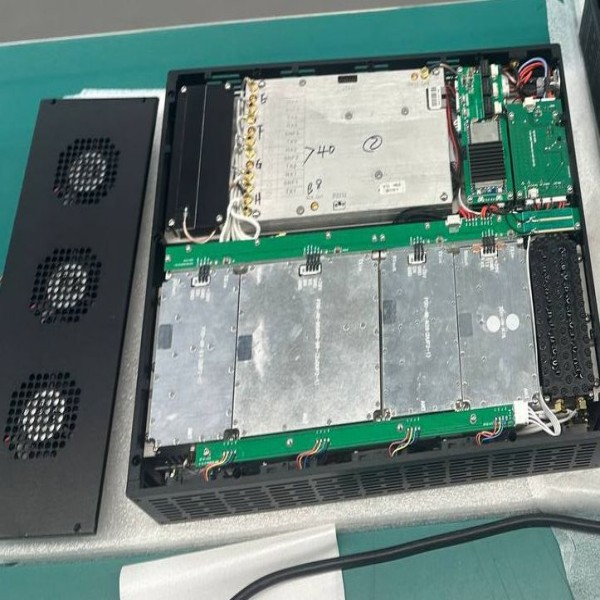
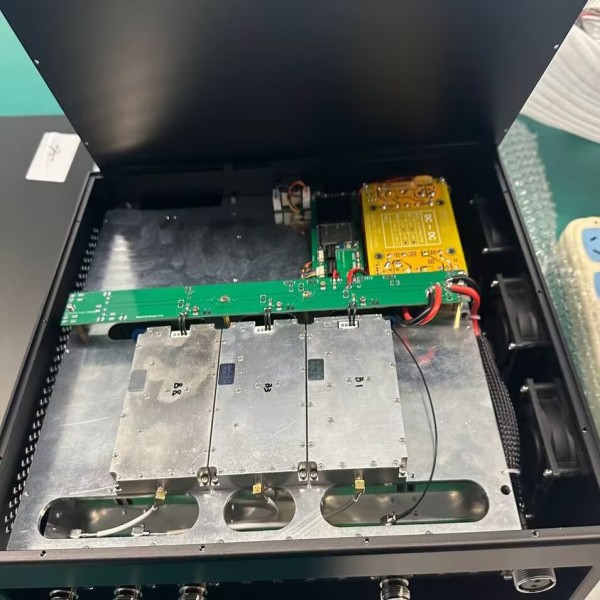
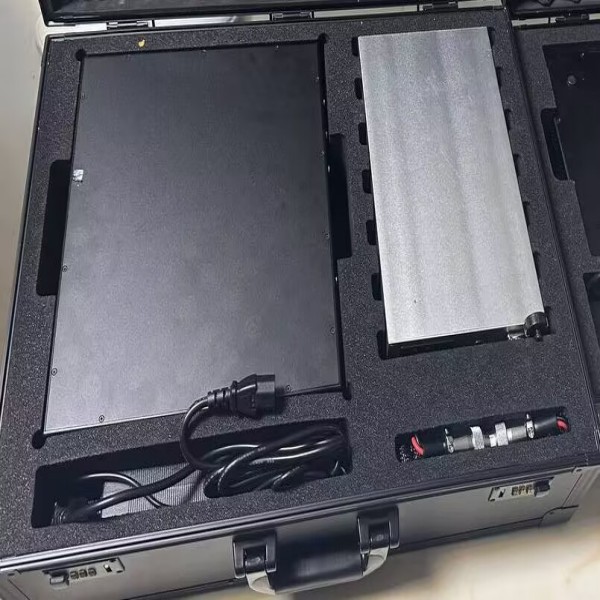
Sms Blaster Machine Famous Manufacturer.sms broadcaster machine price,sms blasting machine,SMS Broadcaster Machine,Bulk SMS Blaster,SMS Free Blasting Broadcast Machine.Sms Blaster Machine Can Bulk SMS automatically around you with radius 1000m-3km.We specializes in providing cutting-edge SMS advertising marketing equipment that allows businesses to reach their target audience more effectively!
Telegram:@smsxcg
WhatsApp:+1(305)6290111
Address:1600 Pennsylvania Ave NW,Washington,DC20500,USA