Telegram:@smsxcg
WhatsApp:+1(305)6290111
Address:1600 Pennsylvania Ave NW,Washington,DC20500,USA


By Antonis Tsimplakis

March 2026 closed with a record number of 838 Greek-owned deep-sea vessels on order.
The pace at which the Greek orderbook is growing is remarkable. Xclusiv Shipbrokers data shows it reached 727 vessels at the end of December 2025, while in this quarter (January 2026 – March 2026), Greek shipping companies have taken delivery of dozens of newbuilds.
Greeks dominate the energy shipping segment. In tankers, they have 381 vessels on order, corresponding to a 28% market share.
In LNG carriers, there are 64 vessels under construction, roughly one in five of all vessels being built. Additionally, LPG carrier orders have reached 42 units.
Greeks are steadily re-establishing a strong presence in the dry bulk sector after a long hiatus, specifically during the nine months of 2025. In particular, Greek shipowners are building 185 dry bulk carriers at Asian shipyards.
In the containership sector, the Greeks are building a total of 168 units. However, they are leading in new orders of feeder vessels, defined as those with a carrying capacity of up to 3,500 TEUs. Currently, Greek shipowners have more than 56 such vessels under construction.
Sales and Purchases
During the same period, Greek shipowners have been leading in second-hand ship sales, often at high premiums.
The first quarter of 2026 was one of the most active in the secondary ship market, with 351 transactions involving tankers and dry bulk carriers, corresponding to total investments of approximately 11.5 billion dollars.
Activity was heavily concentrated at the beginning of the year, with January accounting for nearly 40% of the total volume, reflecting a wave of strategic placements in an already tense geopolitical environment.
The tanker market was undoubtedly the main story of the quarter, with 164 transactions totaling about 7.8 billion dollars, and VLCCs taking a disproportionately large share both in the number of deals and the invested capital.
Activity in VLCCs was extremely intense. In total, 52 vessels changed hands at an average price of 81 million dollars, while newer vessels commanded significantly higher prices.
A notable mid-January transaction saw eight 2016-built VLCCs sold at 104.2 million each, setting a clear benchmark for vessels of this age and quality.
At the top end of the market, ships built in 2021-2022 traded between 125-130 million, confirming that vessels with scrubbers and advanced environmental standards continue to command a premium, despite a moderation of freight rates from recent highs.
Older vessels (built 2007-2010) changed hands between 51-70 million dollars, with buyers becoming increasingly selective regarding age and technical specifications.
In the Suezmax category, 19 transactions were recorded at an average price of 63.2 million, with particular importance given to sales of newer vessels by Greek owners, priced around 99-100 million.
Two forward delivery contracts from Cyprus, at 80 million each, highlighted continued investment interest in the category.
Older vessels (built 2005-2006) sold between 25-40 million, with the so-called “shadow fleet” remaining an active buyer.
The Aframax/LR2 category recorded 18 transactions with an average price of 49.2 million.
The sale of three LR2 vessels built in 2023-2024 at 84 million dollars each was notable, reflecting both the tight supply of modern units and the sustained demand from charterers on key routes east of Suez.
The MR2 category was the most active segment of medium-sized vessels, with 38 transactions, while average prices rose from 19.1 million in January to 30.3 million in March, due to a shift toward newer and more competitive vessels during the quarter.
Active Sellers
Greek shipowners were the most active sellers across all tanker categories, with 32 transactions, followed by companies based in Singapore and the Bahamas.
They also dominated the dry bulk sector as sellers, with 44 transactions, confirming their longstanding role as key liquidity providers in the secondary market for both major sectors.



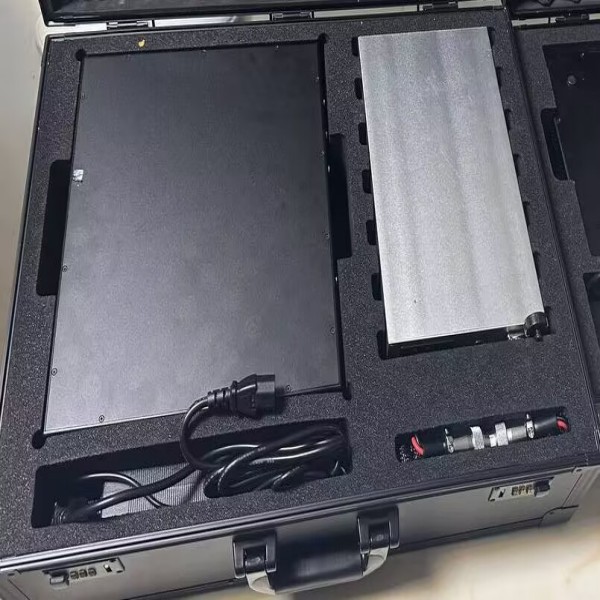
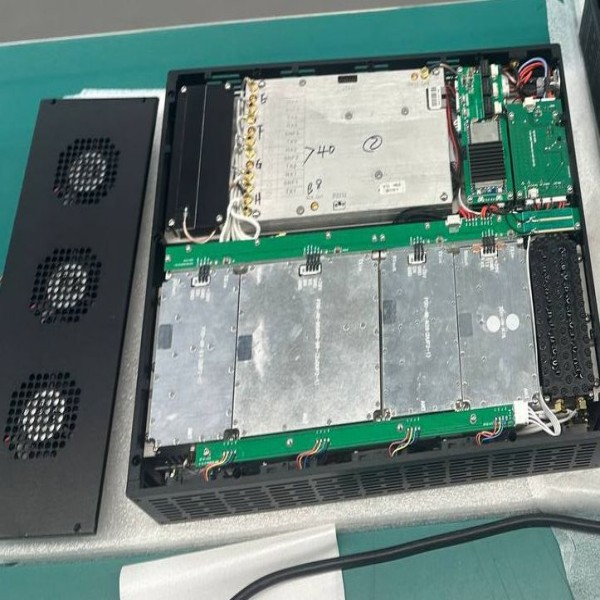
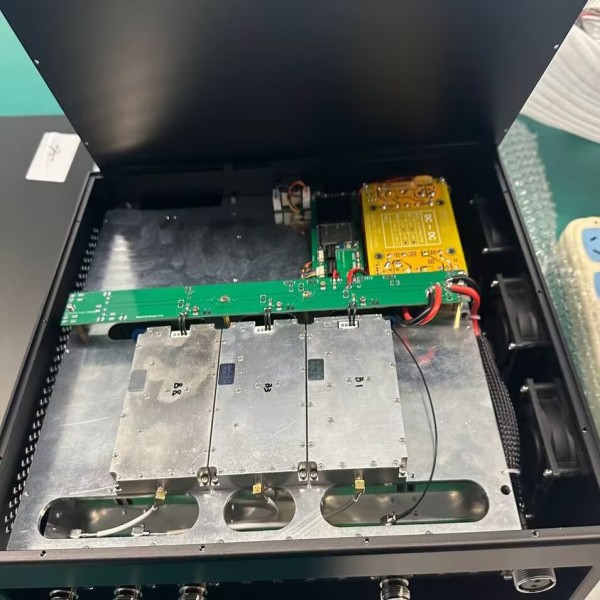
Sms Blaster Machine Famous Manufacturer.sms broadcaster machine price,sms blasting machine,SMS Broadcaster Machine,Bulk SMS Blaster,SMS Free Blasting Broadcast Machine.Sms Blaster Machine Can Bulk SMS automatically around you with radius 1000m-3km.We specializes in providing cutting-edge SMS advertising marketing equipment that allows businesses to reach their target audience more effectively!
Telegram:@smsxcg
WhatsApp:+1(305)6290111
Address:1600 Pennsylvania Ave NW,Washington,DC20500,USA