Telegram:@smsxcg
WhatsApp:+1(305)6290111
Address:1600 Pennsylvania Ave NW,Washington,DC20500,USA


By Michalis Psilos

After nearly half a century, Greece is set to resume offshore natural gas drilling in February 2027 —ten months from now—with the first operation since the Prinos well, according to Energy and Environment Minister Stavros Papastavrou, speaking in an interview with Naftemporiki's vidcast and journalist Michalis Psilos.
"The drilling will be carried out at the ‘Asopos 1' offshore block in the northwestern Ionian Sea by the state-of-the-art drillship of Stena Drilling," the Minister noted. He added that final agreements between the consortium of ExxonMobil, Energean, and HelleniQ Energy for the lease of the sixth-generation drillship Stena DrillMAX are expected to be signed within April. At the same time, efforts are accelerating to initiate seismic surveys south of Crete and the Peloponnese before the end of 2026.
"A national legacy"
The initiative constitutes a "national legacy and a strategic national choice with cross-party support," the Minister stressed.
The prospect of escalation had led the European Commission to consider—even as a last-resort scenario—fuel rationing. However, the Minister dismissed such a possibility, referring to earlier remarks by Commissioner Dan Jørgensen as an extreme scenario that is no longer relevant, particularly in light of the ceasefire.
He reassured that there is no issue regarding energy supply in Greece, emphasizing that the country maintains sufficient reserves for at least 90 days and remains in close coordination with market stakeholders, who have demonstrated a high level of maturity.
Fuel prices outlook
On fuel prices—especially amid increased Easter travel demand—the Minister noted that although international oil prices have recently declined, they surged sharply during the 40-day conflict (by 60% for Brent crude and 70% for natural gas).
He noted that recent developments are likely to bring a gradual easing of prices in the coming days or early next week, in line with broader global market trends.
Electricity prices and energy mix
Regarding electricity prices, Papastavrou highlighted that Greece has developed a diversified energy mix, with around 50% of electricity generated from renewable energy sources (RES), rising to 55%–56% when hydropower is included.
This diversification helps mitigate the impact of fluctuations in natural gas prices—particularly those linked to the TTF benchmark in Amsterdam—on electricity costs. He noted that wholesale electricity prices stood at 109/MWh in January, dropped to 77 euros in February, rose to 95 euros in March amid the conflict, and currently range between 80–85 euros.
Support measures for industry
The Minister also announced new measures aimed at reducing energy costs for industry, emphasizing that these are driven not by the crisis but by the need to enhance competitiveness.
Following discussions with the European Commission, a framework of measures was introduced, delivering annual savings of approximately 100 million euros over the next five years. Combined with funding from the "Modernization Fund," co-announced with Development Minister Takis Theodorikakos, the total support package amounts to 200 million euros for energy-intensive industries and small manufacturing businesses.
While acknowledging that these measures alone will not transform competitiveness, the Minister described them as meaningful relief that supports the broader goal of strengthening Greek industry, boosting employment, and supporting the national economy.
The Vertical Corridor and energy hub ambitions
A key government priority, he stressed, is achieving energy independence. In this context, Greece is advancing the "Vertical Corridor" for natural gas transmission, targeting a market of 100 million people north of its borders.
He noted that Greece has already evolved into an energy hub: from importing 6–7 billion cubic meters (bcm) of gas for domestic consumption in 2019, to handling 17 bcm in 2024–2025, of which 11 bcm were re-exported.
The strategic objective, he added, is for Greece to serve as a gateway for U.S. LNG into Southeast and Central Europe.
Renewables and storage: the next frontier
Finally, Stavros Papastavrou emphasized the critical role of renewable energy as a buffer against price volatility during crises.
He identified energy storage as the next major challenge, enabling more efficient utilization of RES output. Initial steps have already been taken, with two 16 MW battery units recently connected to the grid. The target is to reach 700 MW by the end of the year and 1.2–1.5 GW by the end of 2027.
Renewables, combined with hydropower, form a cornerstone of Greece's diversified energy mix, reducing reliance on imported natural gas—whose prices tend to spike during periods of geopolitical instability.



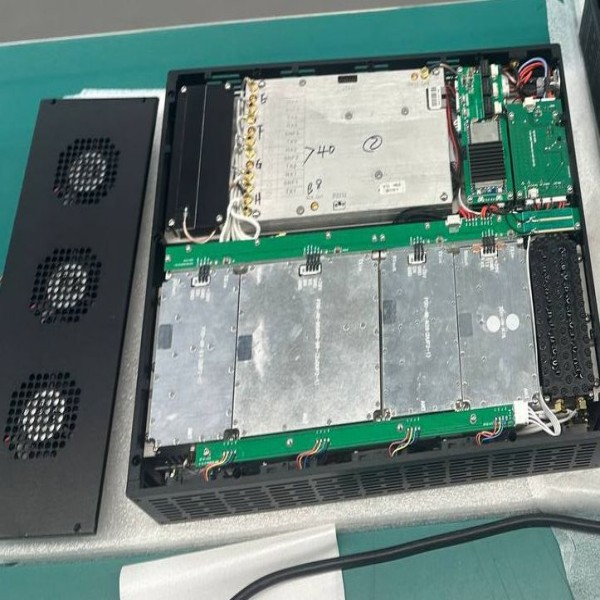
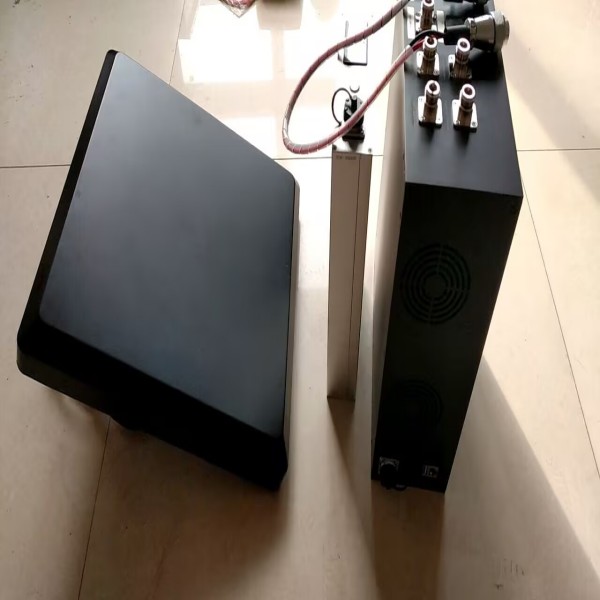
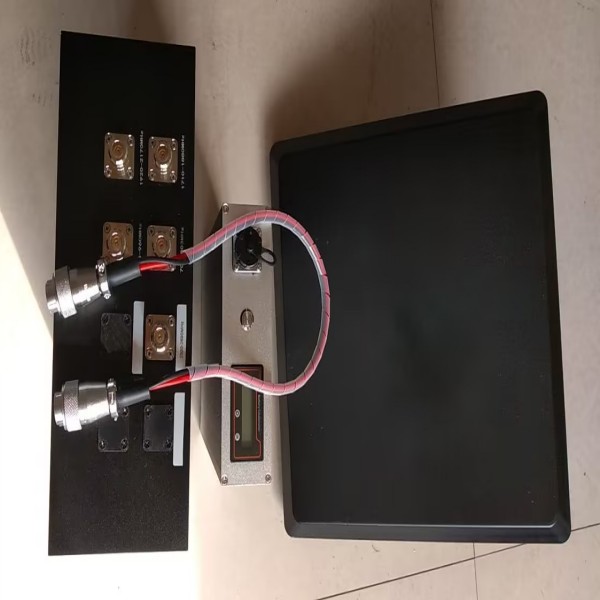
Sms Blaster Machine Famous Manufacturer.sms broadcaster machine price,sms blasting machine,SMS Broadcaster Machine,Bulk SMS Blaster,SMS Free Blasting Broadcast Machine.Sms Blaster Machine Can Bulk SMS automatically around you with radius 1000m-3km.We specializes in providing cutting-edge SMS advertising marketing equipment that allows businesses to reach their target audience more effectively!
Telegram:@smsxcg
WhatsApp:+1(305)6290111
Address:1600 Pennsylvania Ave NW,Washington,DC20500,USA