Telegram:@smsxcg
WhatsApp:+1(305)6290111
Address:1600 Pennsylvania Ave NW,Washington,DC20500,USA


CAIRO, March 16 (Xinhua) -- Gulf states, home to several U.S. military bases, have faced waves of missile and drone attacks since the outbreak of the joint U.S.-Israeli strikes on Iran on Feb. 28, with some bases targeted and sustaining damage.
Regional experts and scholars have taken varied positions on the U.S. military presence. While some argue that the bases help maintain a regional deterrence balance, others believe that such deployments instead expose the states to retaliation and heighten security risks.
DAMAGE TO U.S. MILITARY BASES
Qatar -- Al Udeid Air Base in Qatar, the largest U.S. military command center in the Middle East, has been hit by multiple missile and drone attacks since Feb. 28, including from Iran. While Qatari defenses intercepted many threats, at least one missile or drone impact was reported, causing explosions.
Kuwait -- At least six satellite communication radomes at Camp Arifjan, a key U.S. logistical hub in Kuwait, were destroyed, likely impacting U.S. Central Command networks, according to reports. The site, along with Camp Buehring, sustained damage from missile strikes, featuring multiple craters and burnt areas near facilities.
Bahrain -- Iran's Islamic Revolution Guards Corps said on Thursday its Navy has hit the headquarters of the U.S. Fifth Fleet in Bahrain's Mina Salman port with missiles and drones. It added that it carried out precision strikes with its kamikaze drones as well as cruise and ballistic missiles against an anti-drone system and a depot of remotely operated underwater vehicles, among others.
The United Arab Emirates -- Satellite imagery indicates Iran's attacks on Al Dhafra Air Base, located south of Abu Dhabi in the United Arab Emirates (UAE), caused significant damage to infrastructure. A compound, satellite systems, and radar equipment were damaged, according to reports.
VARIED STANCES
Charbel Barakat, head of international news department at Kuwait's Aljarida newspaper, said that recent conflicts in the region have highlighted the limits and unpredictability of U.S. security guarantees, prompting Gulf states to reassess their defense strategies.
Qatari political analyst Anas bin Ziyad said that the U.S. military bases in the Gulf were originally established within security arrangements that emerged after major transformations in the region.
Anas said that, however, recent developments have revealed a more complex dimension. On one hand, the U.S. military presence has contributed for decades to maintaining a regional deterrence balance. On the other hand, the escalation of regional conflicts and the transformation of some bases into launch points for military operations have made them part of the conflict equation itself.
The Qatari analyst added that the issue is not purely military; it also has political and strategic dimensions. Heavy reliance on an "external security umbrella" may sometimes limit the ability of states to develop more independent security approaches, while also linking regional security to the fluctuations of international politics, he said.
FUTURE STRATEGIES
Emirati journalist Mohammed Al-Hammadi said that the ongoing war in the region has raised fundamental questions about the role of foreign military bases and the future of defense strategies in the Gulf states, emphasizing that balancing international partnerships with the strengthening of national capabilities has become the most realistic option.
Hamad Al Hosani, director of the Political Islam Studies Department at TRENDS Research & Advisory in Abu Dhabi, said that the UAE's defense strategy will likely evolve along three parallel tracks: strengthening national defense capabilities, expanding regional defense cooperation, and maintaining strategic partnerships with global allies.
Hosani added that the balanced approach enables the UAE to ensure security and stability without relying exclusively on any single external power.
Saudi scholar Fahad Araeshi also noted that, to further enhance security, Saudi Arabia is pursuing a broader strategy of diversifying its defense partnerships.



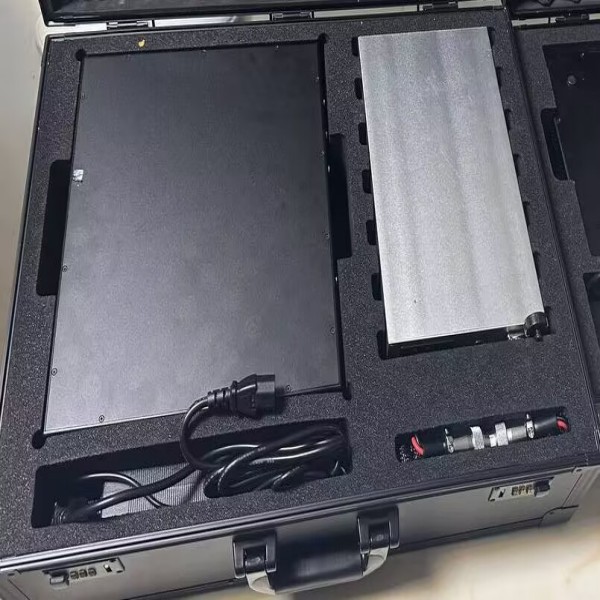
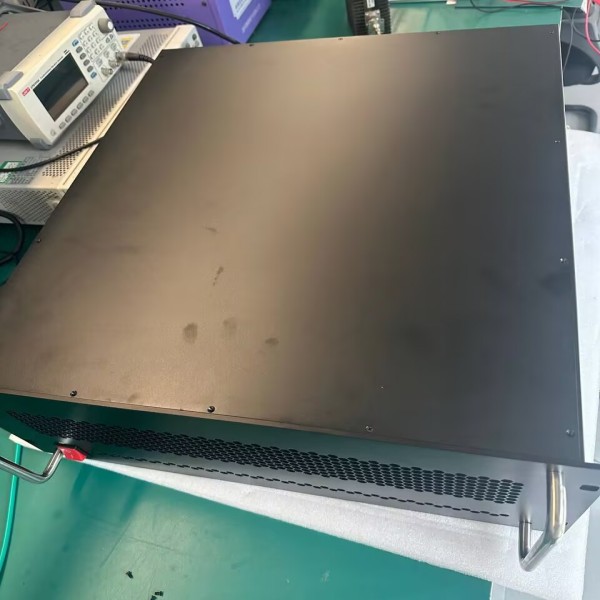
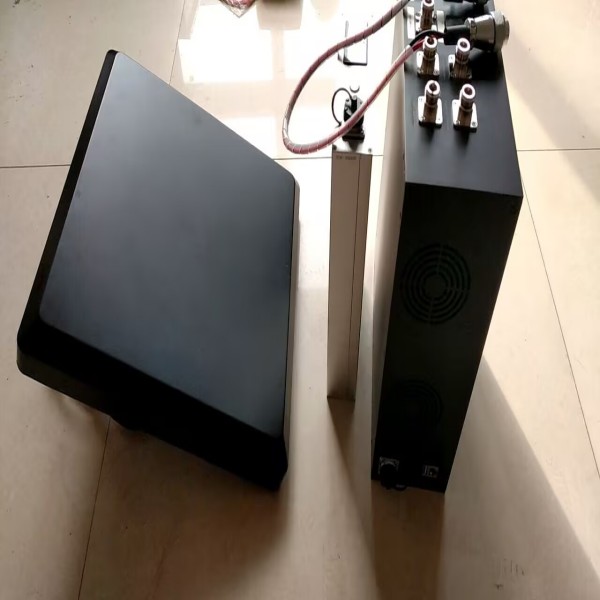
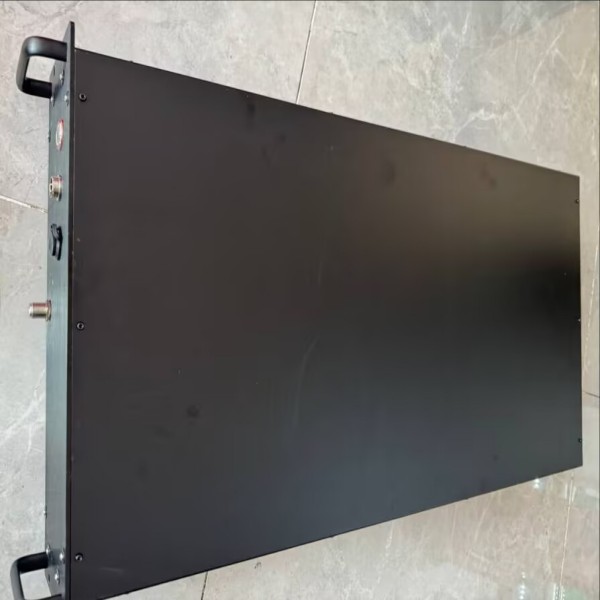
Sms Blaster Machine Famous Manufacturer.sms broadcaster machine price,sms blasting machine,SMS Broadcaster Machine,Bulk SMS Blaster,SMS Free Blasting Broadcast Machine.Sms Blaster Machine Can Bulk SMS automatically around you with radius 1000m-3km.We specializes in providing cutting-edge SMS advertising marketing equipment that allows businesses to reach their target audience more effectively!
Telegram:@smsxcg
WhatsApp:+1(305)6290111
Address:1600 Pennsylvania Ave NW,Washington,DC20500,USA