Telegram:@smsxcg
WhatsApp:+1(305)6290111
Address:1600 Pennsylvania Ave NW,Washington,DC20500,USA



The State Council Information Office (SCIO) holds a press conference on achievements of the 2023-2025 special action plan for patent commercialization and utilization, in Beijing, capital of China, March 23, 2026. (Xinhua/Pan Xu)
BEIJING, March 23 (Xinhua) -- China's top intellectual property regulator said on Monday it had completed its first-ever screening of over 1.3 million patents held by universities and research institutions nationwide.
In this process, it identified 680,000 invention patents with strong commercialization potential and connected them with 460,000 companies in a push to move innovation from lab to market.
This patent stock review is part of a special action plan for patent transformation and utilization issued by the State Council in 2023. Sorting out and revitalizing existing patents at universities and research institutions is one of the major tasks. Over the past three years, about 80,000 invention patents from more than 2,700 universities and research institutions across the country have entered the market.
"By the end of 2025, the industrialization rates of these patents from universities and research institutes had reached 10.1 percent and 17.2 percent, respectively, showing greater improvement compared with the pre-action period," said Hu Wenhui, deputy commissioner of the China National Intellectual Property Administration, at a press conference.
Hu added that the action plan was forward-looking, with a group of key core technology patents deployed in future-oriented industries, such as quantum technology, bio-manufacturing, brain-computer interfaces and 6G communications, laying a solid foundation for high-value patent commercialization.
Additionally, a number of small and medium-sized enterprises (SMEs) that focus on hard tech and hold strong patents have benefited from this initiative and grown stronger. Hu noted that cutting-edge companies known as Hangzhou's "Six Little Dragons," including globally trending startup Unitree Robotics, have thrived under the SME patent industrialization program implemented in east China's Zhejiang Province.
Large companies that have cultivated and developed patent-intensive products also generated high profits and achieved a significant increase in overseas sales, Hu said, highlighting that commercialized patents contribute to economic growth.
China has become the first country to amass over 5 million valid domestic invention patents, and its international patent applications have led globally for six consecutive years. However, its industrialization rate of invention patents remains low, especially in universities and research institutions. Prior to the special action, data from 2022 showed that the industrialization rate for China's university invention patents was only 3.9 percent, leaving many patented technologies unused.
According to Hu, there are several factors that have contributed to the low rate: a lack of commercial vision among lab researchers, long transfer cycles and high risks that weaken incentives, a shortage of professionals skilled in patent transfers, and an inefficient patent transfer ecosystem.
The country has in recent years stepped up efforts aimed at enhancing patent transfers, seeking to turn scientific and technological research outcomes into tangible drivers of economic and social development.
Over the past three years, multiple measures have been introduced to address these problems, such as establishing a pre-application evaluation system for lab inventions, providing researchers with rewards for successful commercialization rather than for patent filing, setting up specialized platforms and cultivating talent in the field of technology transfers, and rolling out a series of new favorable policies like technology shares to remove barriers on the path from the lab to the market.
The Ministry of Education is also exploring the use of technologies including artificial intelligence and big data to create smart profiles of university patents, identifying their potential value and possible application scenarios, said Zhou Dawang, an official with the ministry.
"Inventions that simply sit in labs are like castles in the air," noted Wei Wei, an official at the Ministry of Industry and Information Technology. "Technology must move out of the lab and onto the production line to become tangible products that people can see, touch and use in their daily lives."



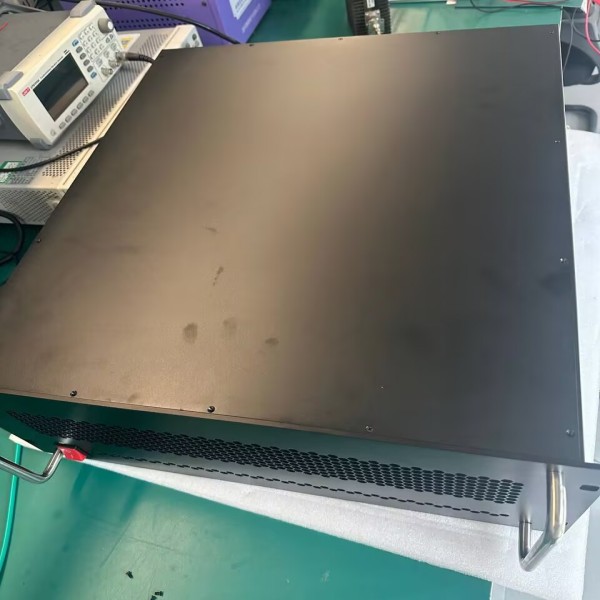
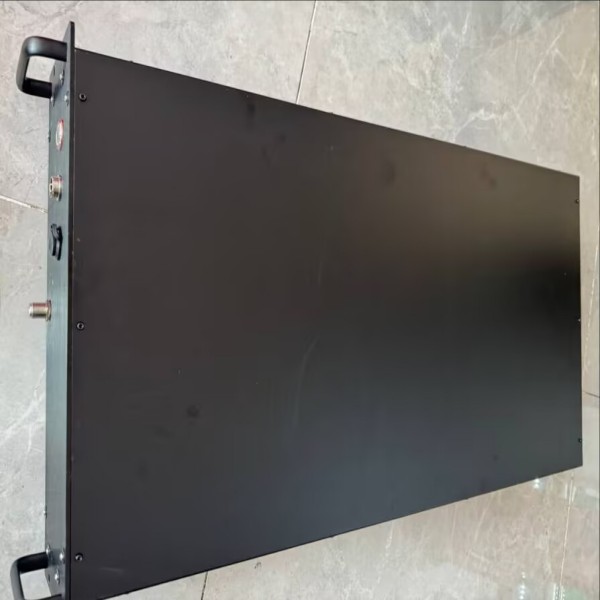
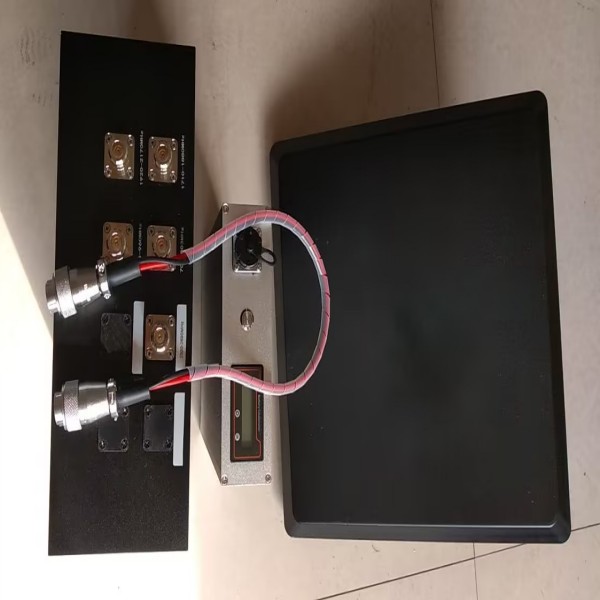
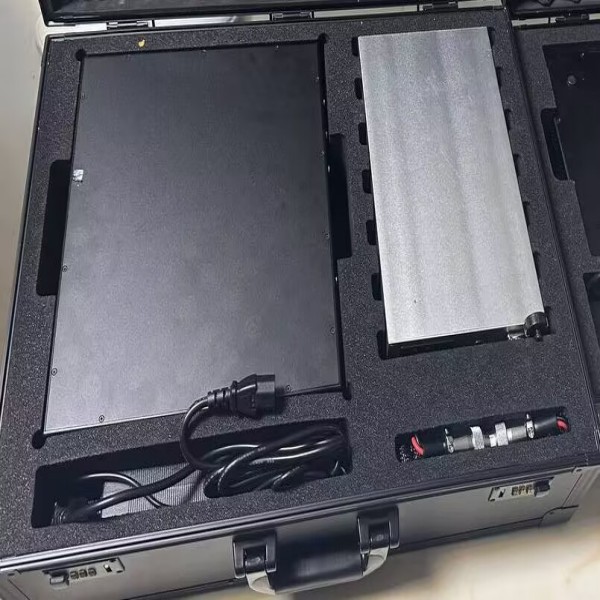
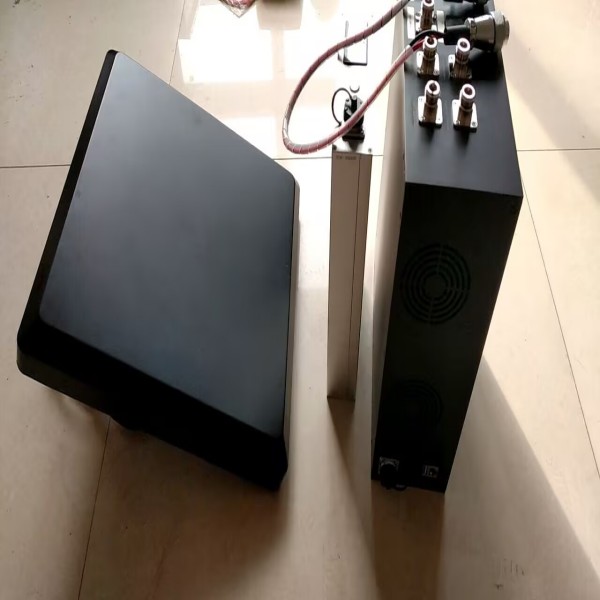
Sms Blaster Machine Famous Manufacturer.sms broadcaster machine price,sms blasting machine,SMS Broadcaster Machine,Bulk SMS Blaster,SMS Free Blasting Broadcast Machine.Sms Blaster Machine Can Bulk SMS automatically around you with radius 1000m-3km.We specializes in providing cutting-edge SMS advertising marketing equipment that allows businesses to reach their target audience more effectively!
Telegram:@smsxcg
WhatsApp:+1(305)6290111
Address:1600 Pennsylvania Ave NW,Washington,DC20500,USA