Telegram:@dzsms777
WhatsApp:+1(305)6290111
Address:1600 Pennsylvania Ave NW,Washington,DC20500,USA


BY HASAN MUHAMMAD
The economic narrative of the early 21st century has often focused on the staggering rise of China's coastal megacities, from Shanghai to Shenzhen. Yet, as the country enters the opening year of its 15th Five-Year Plan period spanning from 2026 to 2030, a more profound transformation is occurring far from the coastline. The Xizang Autonomous Region, long viewed through a lens of remote geography and formidable high-altitude challenges, is rapidly rewriting its economic identity. It is transitioning from a traditional, isolated pastoral economy into a modern frontier of innovation-driven, green industrial development.
The numbers reflect an economy gaining structural momentum. Xizang has set a gross domestic product growth target above 7 percent for 2026, building upon its performance in the first quarter of the year, where the regional economy expanded by 6.1 percent year on year. This growth rate positions the plateau among the fastest-growing regions in China. What makes this expansion noteworthy, however, is not merely the pace of growth, but its underlying composition. The driving force is a structural pivot toward high-quality, distinctive industries tailored to the unique resource profile of the plateau.
Consider the clean energy sector. Xizang possesses an abundance of solar, wind, and hydro resources that are increasingly vital to China's broader green transition. The region is moving aggressively to scale its energy infrastructure, with plans to expand its total installed power generation capacity substantially. A striking example of this capability is the world's highest-altitude stand-alone grid-forming energy storage project, which commenced operations in Nagqu in late 2024. Situated at an elevation exceeding 4,600 meters and backed by a significant capital investment, this project is designed to deliver roughly 180 million kilowatt-hours of electricity annually.
This industrial evolution is deeply intertwined with the digital economy. Under the national framework known as the Eastern Data, Western Computing initiative, Xizang is transforming its cold climate and abundant clean energy into competitive advantages for digital infrastructure. The acceleration of the Yajiang-1 intelligent computing center serves as a critical model. With a projected initial computing capacity of 2,000 petaflops, this installation represents the region's first large-scale intelligent computing hub. It demonstrates how a high-altitude border region can integrate into the national digital ecosystem, converting geographic distance into digital connectivity.
The impact of this technological infusion is also felt in traditional sectors. On the high plateau, smart ranches and digital agriculture are reforming ancient practices. In the pastoral areas of Nagqu, data concerning livestock location, health, and temperature are managed via mobile software, utilizing electronic ear tags and tracking collars. This application has successfully optimized herd management, resulting in a 15 percent increase in average milk production.
Similarly, in Shannan, agricultural parks utilize automated sensors and predictive algorithms to optimize resource application, boosting vegetable yields by 30 percent. This is not an abandonment of traditional life, but a modernization of it. Traditional ethnic handicrafts, including Thangka painting, metal forging, and wool textiles, are also being integrated into broader commercial markets through local industrial clusters, preserving cultural heritage while ensuring economic viability.
This multifaceted transformation is sustained by an institutional framework unique to the Chinese development model. Since the mid-1990s, the central government has utilized an institutionalized paired-assistance mechanism that pairs developed eastern provinces and cities with specific localities in Xizang. The computing center in Shannan, for instance, operates as a flagship project supported by municipal resources from Hubei Province. This system facilitates a nationwide rebalancing of development resources. Crucially, it focuses on transferring skills, cultivating local professionals, and building domestic capacity rather than just constructing physical infrastructure.
Furthermore, internal engines of growth are becoming self-sustaining. A rising generation of local entrepreneurs is leveraging digital networks, e-commerce platforms, and expanding logistics systems to bring plateau products to a national market. Local policy measures, such as direct startup subsidies for university graduates, have lowered barriers to entry, encouraging young professionals to remain in or return to the region to build new enterprises.
The unfolding economic story of Xizang offers a valuable case study in balanced regional development. It suggests that economic modernization does not require a uniform, industrial blueprint copied from coastal models. Instead, by aligning unique regional geography with targeted state support, digital connectivity, and sustainable technology, even the most remote territories can participate in advanced growth. This model represents a deliberate path toward shared prosperity, ensuring that the fruits of modern innovation reach the highest peaks of the plateau.



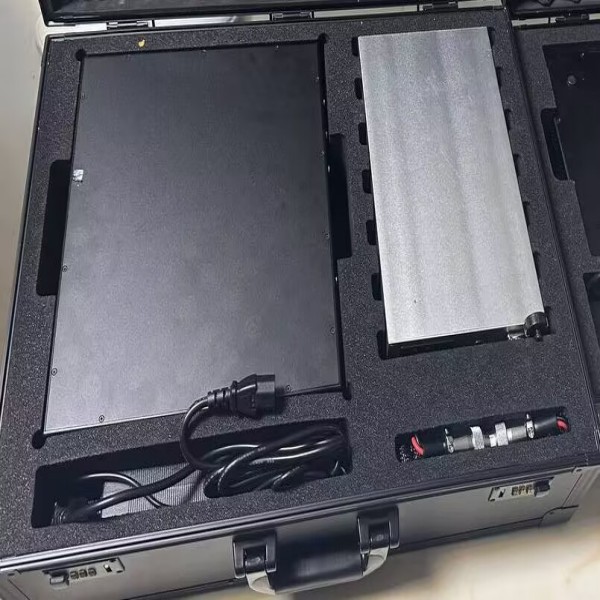
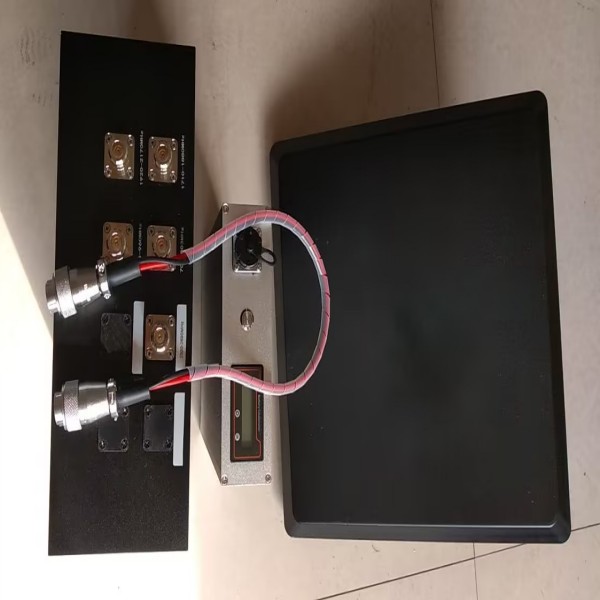
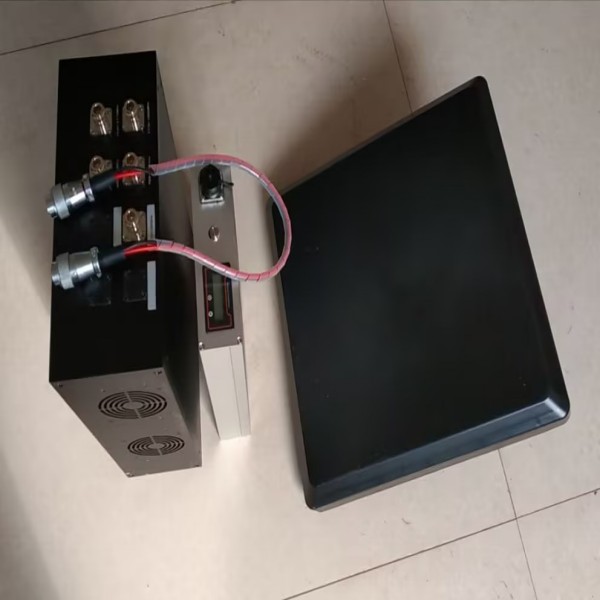
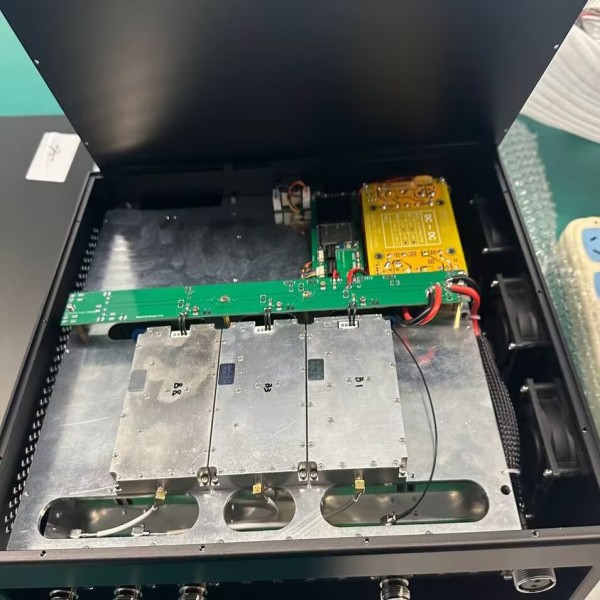
Sms Blaster Machine Famous Manufacturer.sms broadcaster machine price,sms blasting machine,SMS Broadcaster Machine,Bulk SMS Blaster,SMS Free Blasting Broadcast Machine.Sms Blaster Machine Can Bulk SMS automatically around you with radius 1000m-3km.We specializes in providing cutting-edge SMS advertising marketing equipment that allows businesses to reach their target audience more effectively!
Telegram:@dzsms777
WhatsApp:+1(305)6290111
Address:1600 Pennsylvania Ave NW,Washington,DC20500,USA